
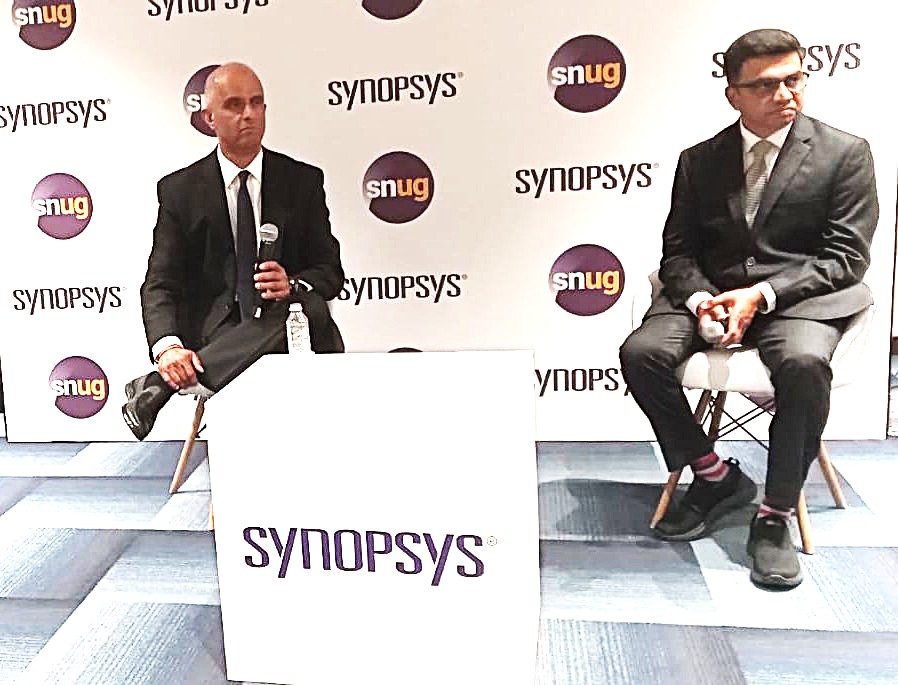
 Synopsys, a global leader in engineering solutions from silicon to systems, is seeing automotive as one of its key sectors with more and more software solutions getting into in the present and future vehicles.
This was revealed by Ravi Subramanian, Chief Product Management Officer, Synopsys. He along with Sudeep Shivalli, Regional Senior Director, Go To Market, Synopsys were addressing a select media at a media roundtable on June 18 on the sidelines of Synopsys User Group (SNUG) India 2026 conference.
Sharing his insight with Automotive Lead, Ravi Subramnian, said, “Synopsys is empowering automakers to innovate at the pace that software-defined, intelligent platforms demand. By virtualizing design, integration, and prototyping, we are helping automotive customers accelerate development, reduce costs and time to SOP (Start of Production), and deliver next-generation performance and safety.”
Automotive profitability is increasingly driven by software, making R&D efficiency a critical differentiator. As OEMs tackle electrification, autonomy, and sustainability, traditional metrics like design-to-cost can’t keep pace, leading to hundreds of millions spent annually on testing.
Mechanical to Software-driven

Earlier the vehicle was more of mechanical but now the mobility sector is emerging as software-driven, he said.
Virtualizing vehicle electronics for design, integration, testing, and validation can cut costs and accelerate time-to-market. This software-first approach empowers automakers to unlock new revenue streams through connected experiences, OTA updates, and lifecycle services, creating a foundation for sustainable growth in the era of software-defined mobility.
The company has been working with several OEMs and Tier 1s across the world as well as in India. He also said about 20% of the company’s revenue comes from the automotive sector.
“The rise of software-defined mobility and the introduction of AI into the car necessitate a foundational shift in automotive engineering,” he added.
However, Subramanian has not disclosed the identification of OEMs with whom they working with.
It may be noted that in October 2025, India-based Tata Technologies officially announced that it is collaborating with Synopsys to accelerate Software-Defined vehicle innovation. The collaboration aims to empower automotive manufacturers to tackle the complexities of next-generation mobility by combining Tata Technologies’ deep domain expertise in vehicle engineering with Synopsys’ industry-leading virtualization solutions enabling the deployment of electronics digital twins (eDTs).
Sudeep Shivalli said the company has capability to offer solutions to 16-17 sectors including automotive and even Railyways and Shipbuilding industries in India.
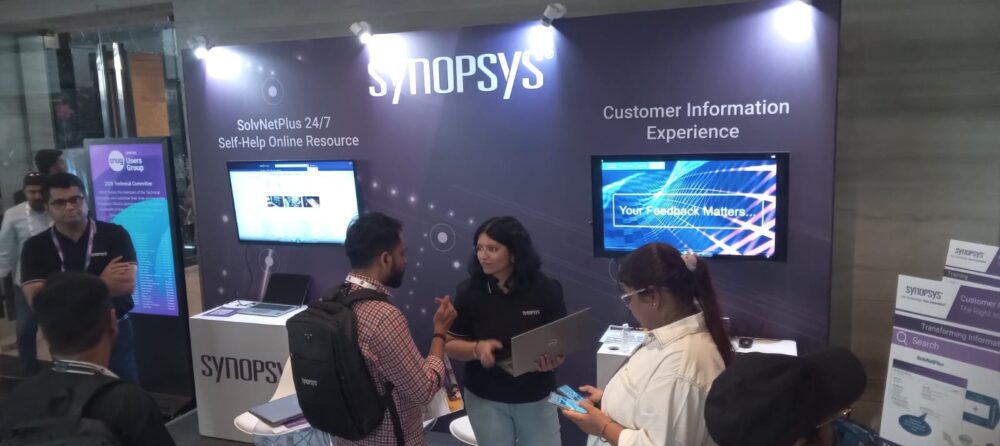 Synopsys User Group (SNUG) India 2026 was held as one-day conference that brought semiconductor design engineers, technology leaders, and ecosystem partners from across India’s semiconductor and systems ecosystem to exchange ideas, collaborate, and explore the future of engineering in the era of pervasive intelligence.
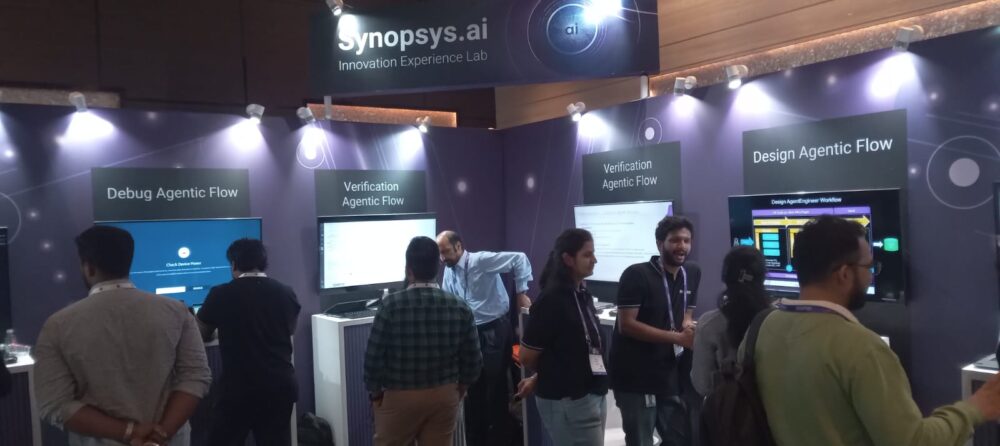
At the conference, Ravi Subramanian delivered the opening key noted titled ‘Re-Engineering the Future of Silicon,’ and explore how AI, agentic workflows, and silicon-to-systems innovation are reshaping engineering design and development. His keynote will also highlight the growing convergence of silicon design, multiphysics analysis, and intelligent system engineering as organizations navigate increasing design complexity and accelerated innovation cycles.”
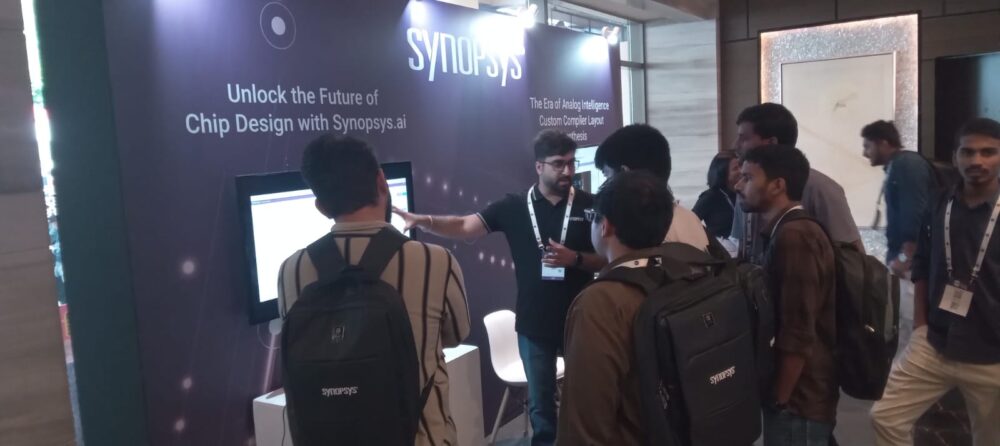 Sudeep Shivalli , said “SNUG India 2026 reflects the spirit of collaboration and innovation that has defined the Synopsys Users Group community for over three decades. As engineering teams navigate unprecedented complexity driven by AI, intelligent systems, and software-defined products, platforms like this becomes increasingly important for bringing together customers, partners, and technology experts to exchange insights, share experiences, and collectively shape the future of innovation.”