
 This article is published on the day of World Bioproduct Day on July 7, 2026.
Indian government’s step to promote Ethanol-blended fuel for vehicles has increased opportunities in biofuel sector, says a top official from Danish bio-solution leader Novonesis.
Ethanol Blended Petrol (EBP) Programme has emerged as a key pillar of India’s energy transition and biofuel strategy. It targets to improve energy security, support farmers, and reduce environmental impacts. The programme also promotes greater use of domestically produced renewable fuel.
According to Krishna Mohan Puvvada, Regional President, Middle East, India & Africa, Novonesis, “India relies heavily on fossil fuel imports to keep our industries running, our vehicles moving and our kitchens cooking. Right now, we import 60% of the liquefied petroleum gas (LPG) needed to meet India’s massive demand of nearly 33.1 million metric tonnes each year.”
India’s ethanol-blended petrol programme is a remarkable success story. We achieved our 20% blending target a full five years ahead of schedule. Because of this incredible drive, our ethanol manufacturers now hold on available capacity of 7 to 8 billion liters every single year.

Novonesis’ Bio-Solutions increases Ethanol yields by up to 3% and cut fermentation time by 2.5%. This means plants can maximize their capacity and output without missing a beat.
Government Data on EBP
According to government data, under the EBP Programme, ethanol blending has increased from less than 1.5 percent in 2013-14 to 20 percent in 2025-26. India achieved the 20 percent blending target five years ahead of schedule. Ethanol procurement rose from about 38 crore litres in Ethanol Supply Year (ESY) 2013-14 to over 1,200 crore litres (projected) in 2025-26. Production capacity expanded nearly fivefold from 421 crore litres in 2014 to about 2,000 crore litres in 2026. This expansion has reduced crude oil imports and saved valuable foreign exchange. It has also lowered greenhouse gas emissions and strengthened farmers’ incomes through new market opportunities.
It may be noted that India imports close to 88.5 percent of the crude oil it consumes. That single number explains a great deal about why ethanol blending sits so high on the policy agenda. Every barrel of oil bought from abroad exposes the country to price swings and supply shocks that are entirely outside its control. Ethanol produced from Indian sugarcane, maize and rice offers a way to blunt that exposure using resources grown at home.
Demand for Novonesis’ solutions
At this juncture, India’s accelerating push towards bio-energy is boosting demand for enzymes and microbial solutions that inturn will favour bio-solutions companies like Novonesis.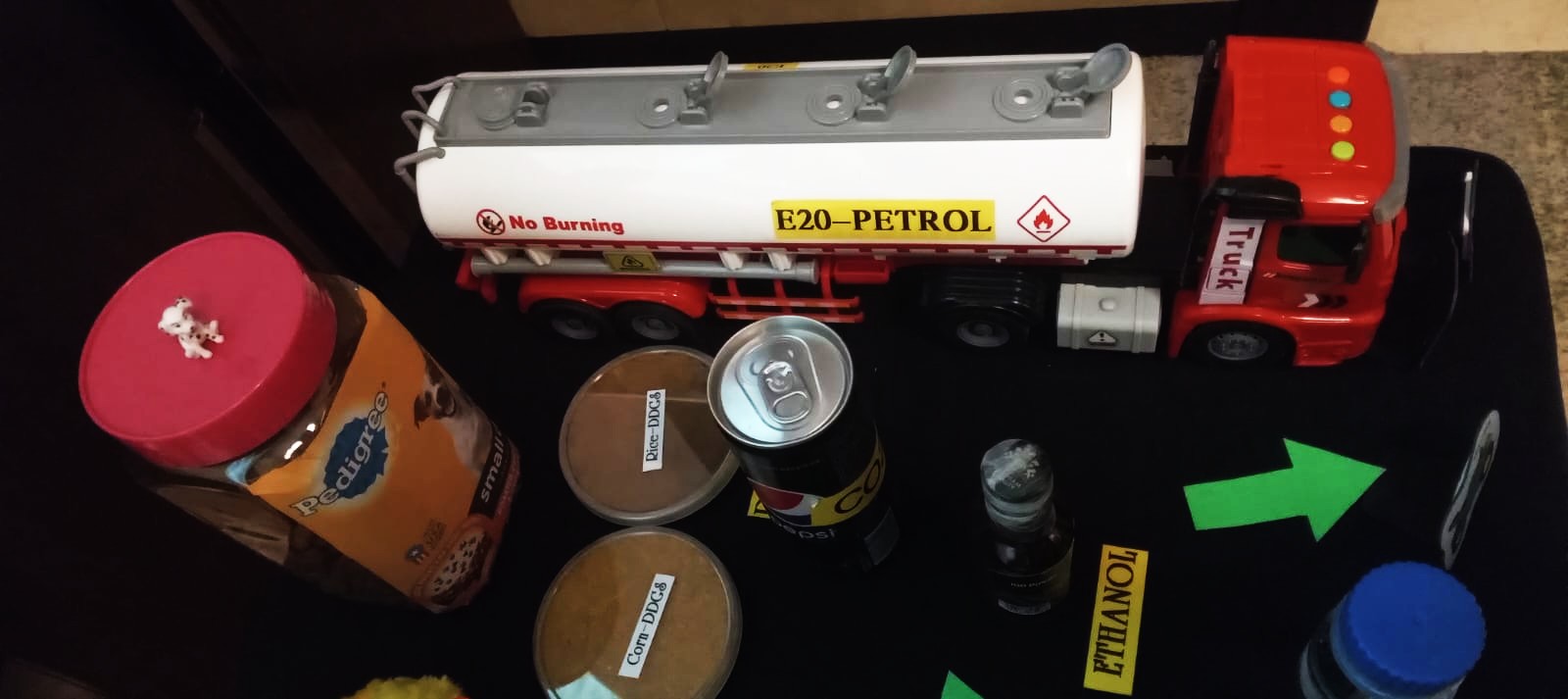
Around 300 distilleries are involved in producing Ehonal. The company is not directly catering to oil marketing companies like Indian Oil (IOC) or Bharat Petroleum Corporation Ltd (BPCL) but it works with distilleries, Puvvada says.
He said, “At Novonesis, we offer the widest range of biofuel products on the market and we are determined to help ethanol producers extract the absolute value from their inputs.”
With more than 40 years of experience in india, Novonesis brings a deep biosolutions portfolio spanning enzymes, microbes and other proteins-supporting the country’s energy and agricultural transition.
Today the company has around 1,000 employees , two production sites and three application and R&D Labs, all dedicated to transforming how India produces and consumes.